Evidenced Based Therapy For OCD and Anxiety in California and Minnesota
Is OCD or Anxiety Controlling Your Life?
Do you find yourself struggling with intrusive, unwanted or “sticky” thoughts? Maybe your mind is constantly jumping to the worst case scenario, getting caught up in endless “what ifs,” or convinces you that you need certainty before moving on. You might have tried managing your anxiety or thoughts by avoiding certain people, places, or situations, reassuring yourself, mentally reviewing or rehearsing conversations, cleaning, saying a prayer, thinking a good thought to neutralize a bad thought, etc.
You don't want to spend so much time engaging in these behaviors but you feel like you have to, otherwise something bad might happen, or you won’t stop feeling anxious. The relief you get from these behaviors is temporary, because the thoughts and feelings always come back, making you feel even more frustrated and hopeless.
Over time you’ve noticed your world has started to shrink. You’re less present with loved ones, have difficulty focusing on your responsibilities, doing everyday tasks, or the things you used to enjoy. You feel trapped, alone, and scared.
If any of this resonates with you, I'm here to tell you that these experiences are common for those living with OCD and anxiety. The good news is your life doesn't have to stay this way. With the right therapy, it’s possible to break free of OCD and anxiety and get back to living a life that is no longer driven by fear.
What I Treat
-
Obsessions are unwanted, intrusive, recurring thoughts, images, physical sensations, urges, memories, etc. They lead to immense amounts of distress, discomfort, anxiety, or disgust. A compulsion is a behavioral response to the obsession. Compulsions can come in many forms such as physical behaviors, avoidance of stimuli that triggers the obsessions, seeking reassurance, or mental compulsions. The compulsion leads to a temporary relief but negatively reinforces the obsession, leading to the obsession occurring more frequently and leading to more distress
-
Anxiety disorders include generalized anxiety, health anxiety, and social anxiety. These disorders include intense, repeated, worry either about general, everyday concerns (ex: finances, work, friendships, etc), health (ex: becoming ill, others getting ill, having an illness), or social (ex: being perceived or judged by others, embarrassing oneself, etc). The content of the worry is what differentiates these disorders.
-
Body focused repetitive behaviors (BRFBs) involve engaging in a self grooming behavior so frequently and repeatedly that it leads to physical damage in that area. Two of the most common BRFBs are trichotillomania (hair pulling) and dermatillomania (skin picking). Some others are cheek/lip biting, nail biting, nose picking, hair eating, teeth grinding, etc.
-
Panic disorder is classified as someone who has recurring panic attacks, leading to changes in their behavior that impacts their overall functioning. Panic attacks are classified as sudden, out of the blue, intense, feelings of anxiety associated with physical symptoms such as shakiness, tightness in chest, sweating, heart pounding, shortness of breathing, feeling like you're going crazy or going to die, etc. The symptoms generally peak and dissipate within 5-7 minutes. Afterwards you may avoid places, people, things that you associate with your panic attack and have an intense fear about experiencing another one.
-
Hoarding disorder is characterized by the need to excessively acquire items, and difficulty discarding items regardless of their value. This is driven by many beliefs such as a fear of being wasteful, fear of needing to use the item in the future, feeling an emotional attachment or memory associated with the item, etc. These symptoms result in excessive clutter in the home, leading to distress, and difficulty functioning.
-
Major depressive disorder or MDD, is characterized by at least two weeks of persistent sadness or a loss of interest in things that were previously enjoyable. Depression manifests differently in everyone but some common symptoms include: change in appetite or weight, problems with sleep, difficulty concentrating or making decisions, feelings of worthlessness, restlessness or agitation, fatigue/low energy, feelings of worthlessness, and thoughts of death or suicide.
-
Specific phobia is an intense fear of a certain object or situation that poses little to no risk. Some common phobias include; flying, animals, insects, blood, choking, elevators, enclosed spaces, needles, vomiting, etc. You may make a significant effort to avoid the object of the situation completely, or endure it with intense anxiety.
-
Therapy that celebrates diverse sexual orientations, gender identities, and gender expressions. I provide a compassionate and inclusive space with the understanding of unique experiences and challenges that LGBTQIA+ individuals may face. Whether you are exploring your identity, processing emotions, navigating relationship concerns, or seeking support for any of life’s challenges, you are welcomed here.
My Approach
Exposure and Response Prevention
Exposure and Response Prevention (ERP) is a collaborative, gradual treatment widely considered the “gold standard” for treating OCD. It involves gradually exposing yourself to your fears (exposure) while changing your behavioral response to it (response prevention).
Acceptance and Commitment Therapy
Acceptance and Commitment Therapy (ACT) targets unwanted thoughts and feelings through acceptance, mindfulness, and values based practices. The primary goal is to increase psychological flexibility and to help you build a values driven life.
Cognitive Behavioral Therapy
Cognitive Behavioral Therapy (CBT) is a treatment that's been proven effective for a wide range of problems. It’s based on the idea that our thoughts, feelings, and behaviors are all interconnected. Treatment targets unhelpful thinking and behavioral patterns in order to facilitate change.
About Me
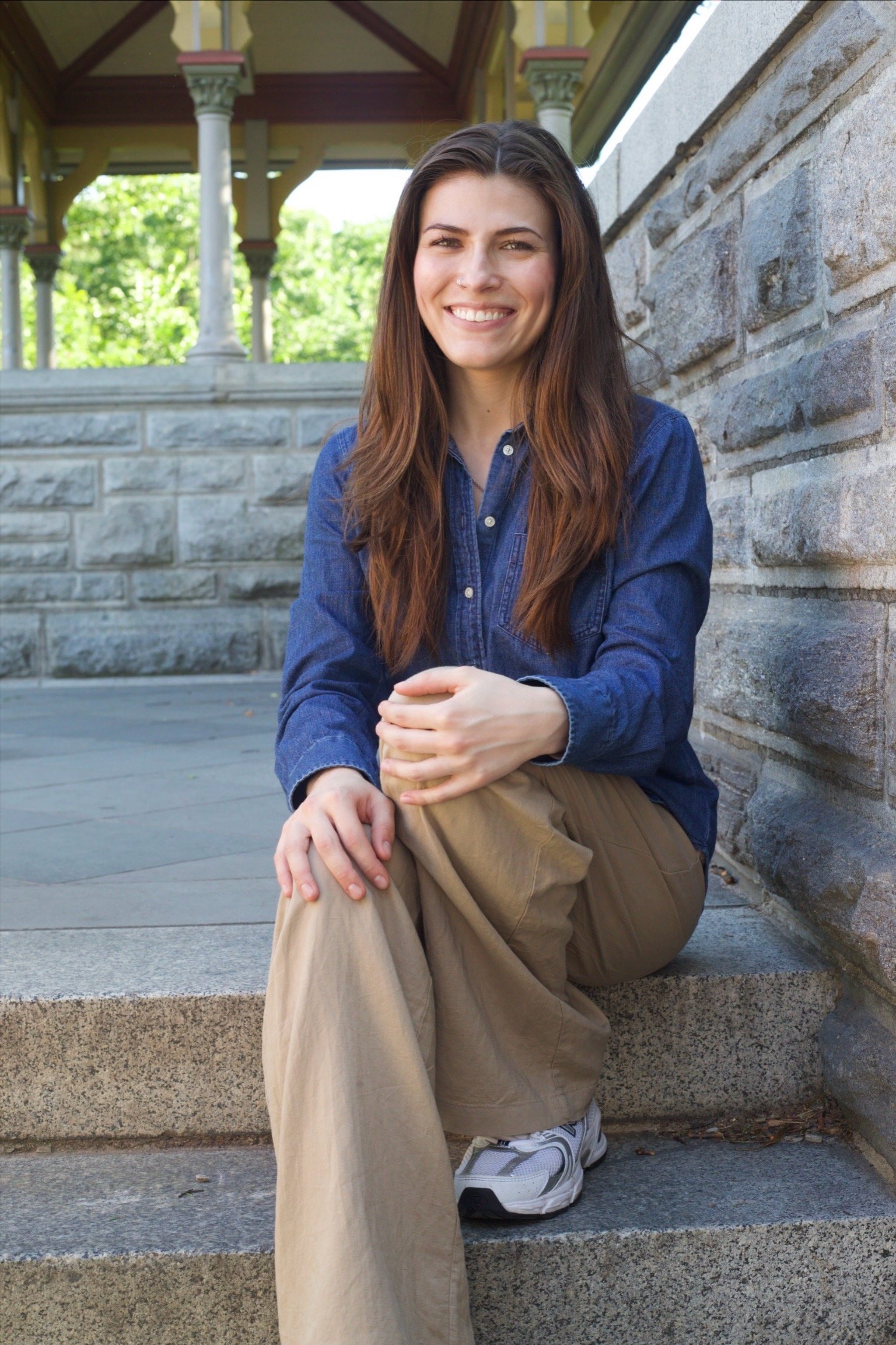
I'm a licensed therapist with over seven years of experience specializing in OCD and anxiety spectrum disorders. I use a combination of Exposure and Response Prevention (ERP), Acceptance and Commitment Therapy (ACT), Mindfulness, and Cognitive Behavioral Therapy (CBT) to help people build lasting, meaningful change.
I was drawn to this field through my own experiences with OCD, and I understand firsthand how isolating and overwhelming it can feel. Because of that, I strive to create a therapeutic space that is safe, compassionate, and free of judgment, where you can feel understood and supported. As a queer therapist, I also have a passion for working with LGBTQ+ individuals and recognize the unique experiences and challenges that can impact mental health.
I believe that anxiety, OCD, and other mental health concerns pull us away from the people, activities, and values that matter most. My goal is to help you reconnect with those parts of your life and move towards what is important to you, rather than letting fear or discomfort lead you away.
How to Get Started
Complete the form to schedule a free 15 min consultation call.
During this call you’ll have the opportunity to share a bit about yourself, what you’re hoping to get out of therapy, and ask any questions you may have.
I look forward to connecting with you!
Services only available to individuals in California and Minnesota